


Risk
All-at-once rewrites stallScope balloons, dual-running never ends, and the business loses patience.Application modernisation
Move legacy software onto a stack you can run.
When the whole system, or a blocking module, has to leave the old stack, we plan the cut, keep what still earns its keep, and deliver the first slice you can judge. Hosting and support after. Not a slide-deck rewrite.
Why modernise
Big-bang rewrites fail. Staged moves ship.
Vendors sell a greenfield promise. Operators need the old system to keep taking orders while the new path earns trust. We design for that reality.
Method
Module by module, or a planned cutoverKeep the earners. Replace the blocker. Prove the slice before you flip traffic.Outcome
A stack you can host and extendModern runtime, clearer ownership, and a path for the next module.Three moves
Keep. Replace a module. Run the new stack.
Same engineering standard whether you start with one painful module or a planned full cutover.

Keep what still works
Audit the legacy app for what is stable, what is risky, and what must stay live while you modernise around it.
- Dependency and risk map
- Data and interface inventory
- What not to touch yet
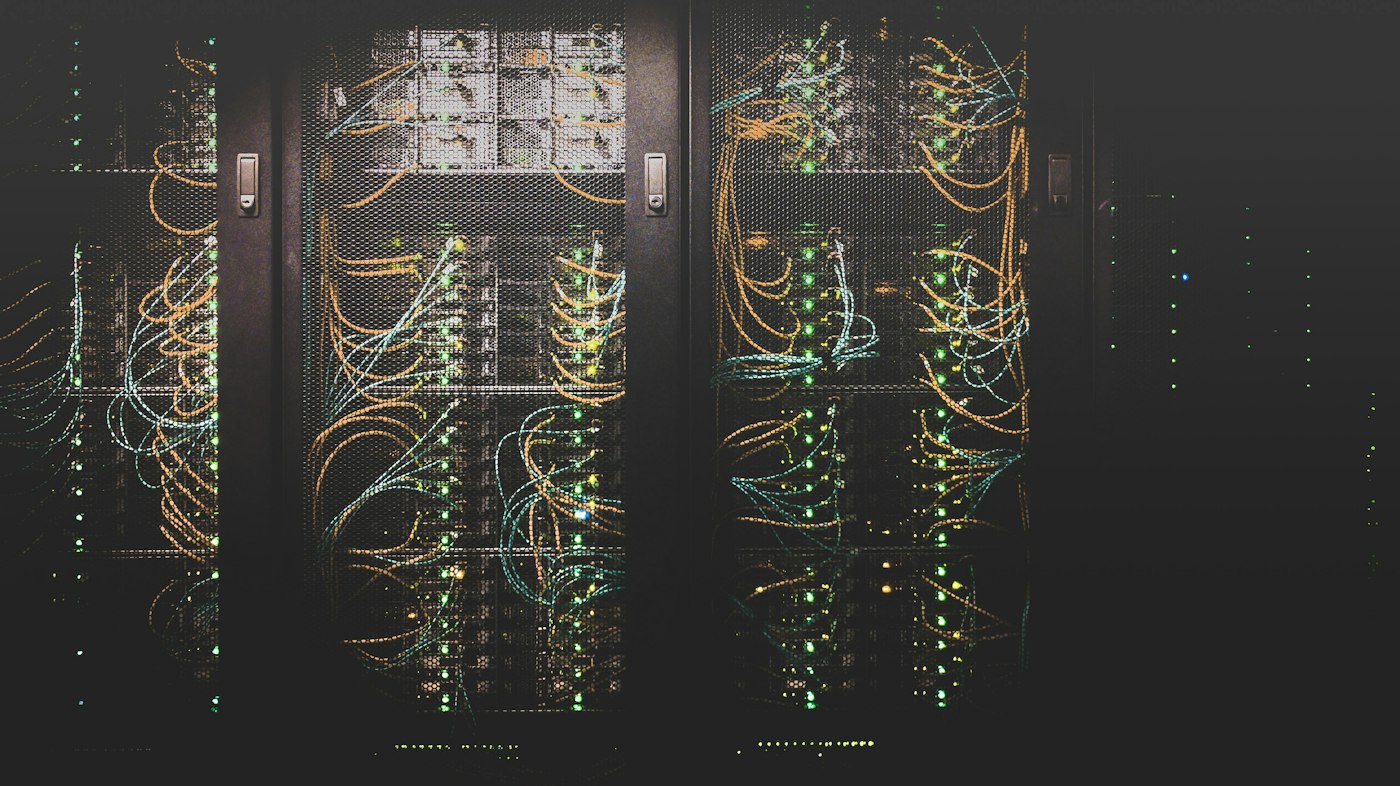
Replace the blocking module
Move the module that slows releases, breaks integrations or blocks hiring onto a modern stack first.
- Strangler or parallel path
- Contract tests at the seams
- A release the business can judge

Cut over and run
When the slice is proven, flip traffic, retire the old path, and host the new stack with monitoring and care.
- Cutover checklist
- Rollback plan
- Optional hosting and support
Lead magnet
Request a modernisation review. We return a keep / replace / first-slice note you can take to leadership.
When this is the right page
Signals that the stack has to move
If you only need ERP improve-and-integrate, use enterprise applications. If the product is what you sell, use product engineering.
Vendor sunset or unsupported runtime
Language, OS or framework versions that security and hiring can no longer carry.
Every change takes weeks
One module blocks releases for the whole system. Knowledge sits with two people.
Integrations break on every patch
APIs and batch jobs are fragile; the business cannot trust dual-running forever.
Leadership wants a real cutover plan
Not a multi-year rewrite fantasy. A first slice, cost shape and exit criteria.
How we work
Review, first slice, then run
Specialised delivery from a technology company. Clear ownership. No agency pitch deck.
Modernisation review
Short study of the legacy surface, risks and the first module that should move.
- Keep / replace map
- Seam and data notes
- First-slice recommendation
Module delivery
Build the replacement path with tests at the boundaries so the old system can keep running.
- Named release
- Parallel run when needed
- Business acceptance
Cutover
Flip traffic when exit criteria are met. Keep a rollback path until the new stack is trusted.
- Checklist and owners
- Monitoring windows
- Retire the old path
Host & care
Optional hosting and support so the modernised app stays observable and patchable.
- TLS and backups
- Environments
- Care options
After the move
Host and support the modernised app
Optional add-on. Size capacity for today, upgrade when load grows. We do not invent uptime percentages on this page.
Observe
Monitoring & backups
Alerts, restore drills and environments you can trust for the next release.
Secure
Hardened baselines
TLS, patch windows and access control on infrastructure you control with us.
Extend
Next module ready
Same team can take the next slice without re-learning the seams.
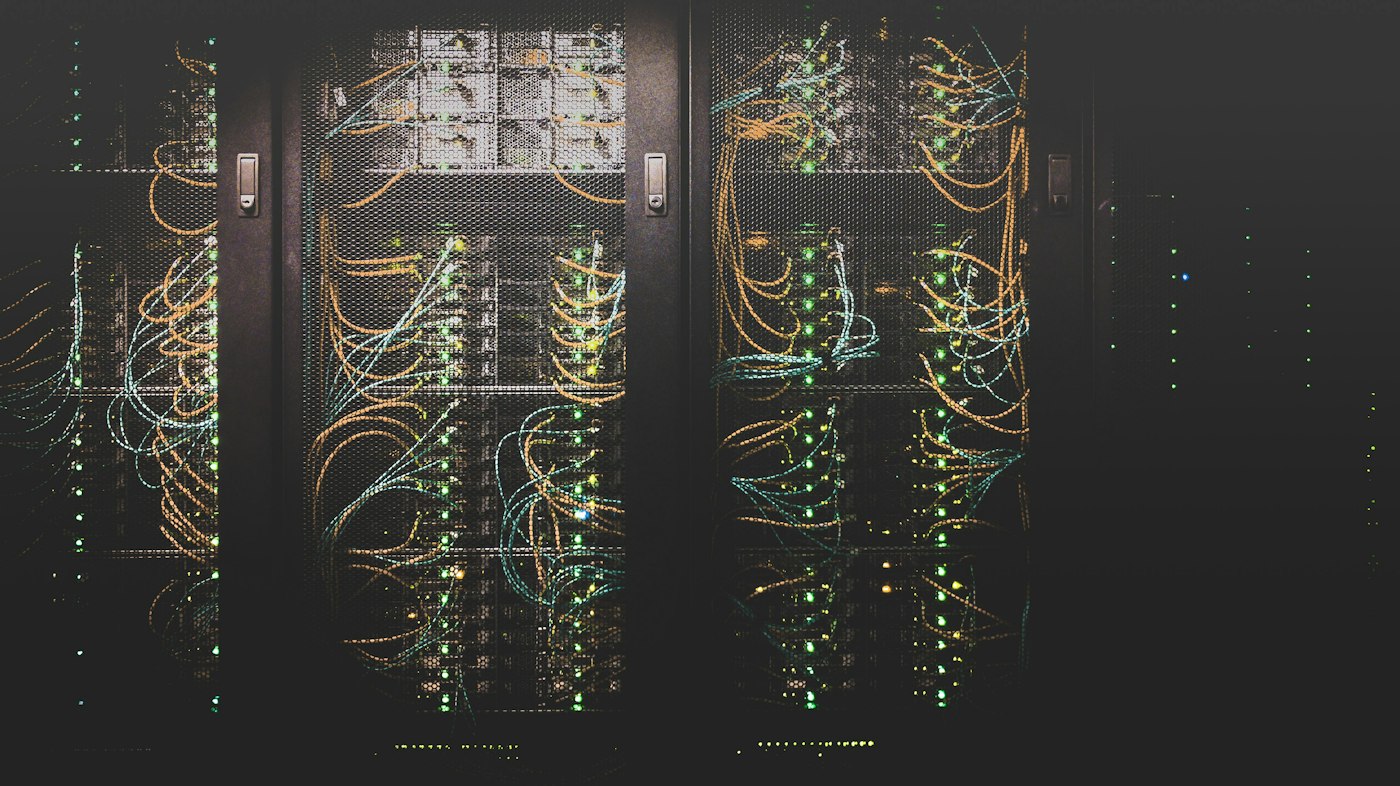
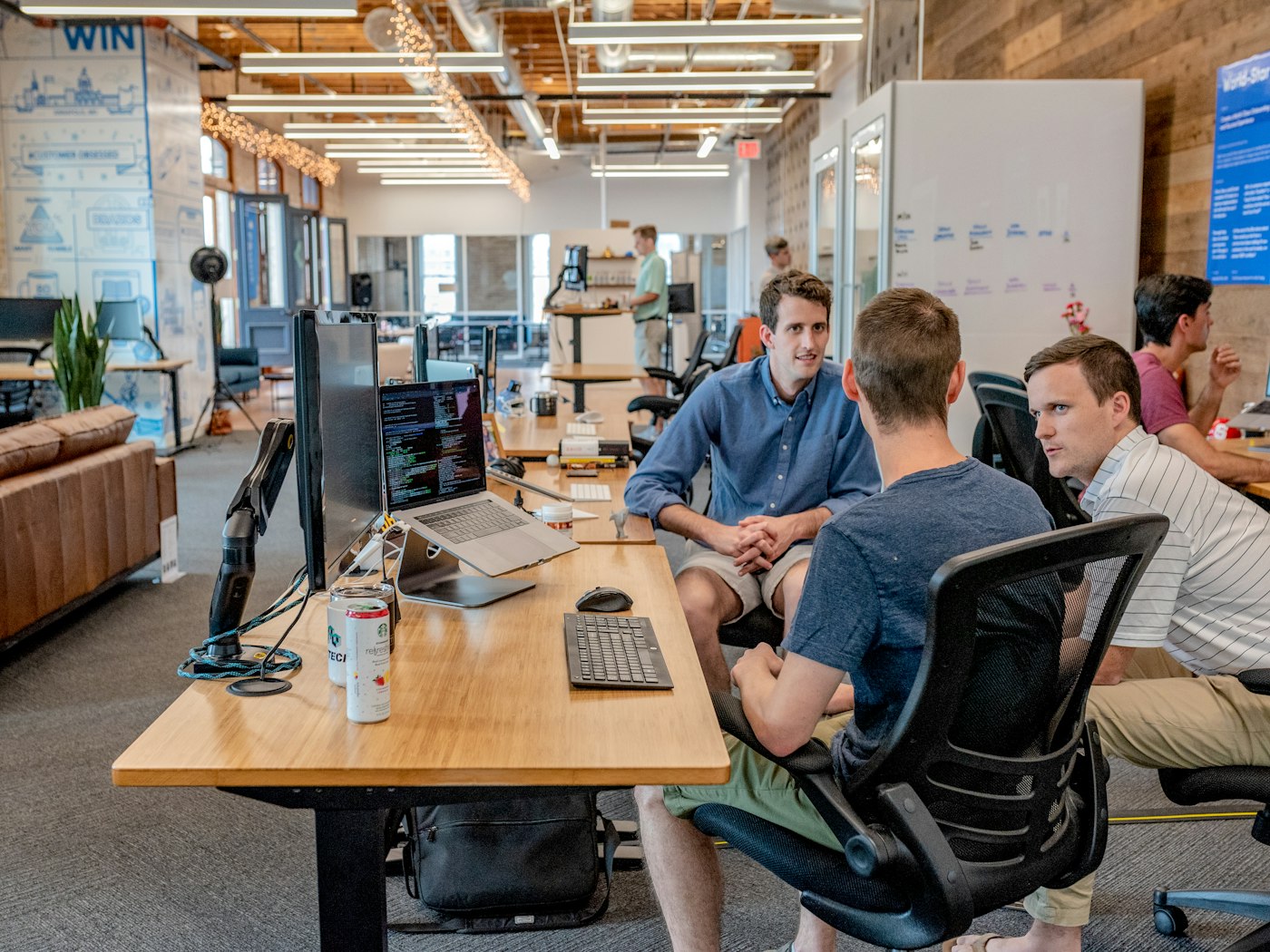
Contexts
Where staged modernisation shows up
Real operating contexts. The work is engineering, not a theme swap.




Boundaries
Land on the right conversation
Modernisation is for whole-system or module moves onto a new stack.
Application modernisation
Legacy apps that must move module by module or through a planned cutover onto a modern stack.
You are hereEnterprise applications
Improve, integrate or implement operational systems and third-party ERPs without a full rewrite first.
Open enterprise applicationsProduct engineering
Software products you will sell to a market, from idea through launch and care.
Open product engineeringTwo paths. One CRM.
Tell us if you need a module move or a full cutover plan. Both briefs land in the same pipeline with a path field so the right team replies.
Questions before you decide
The contract still sets the exact terms.
What is the modernisation review?
A short lead conversation that produces a keep / replace / first-slice note. Enough for leadership to decide whether to fund the first module. Not a free multi-week audit.
Is this the same as enterprise applications?
No. Enterprise applications usually improve and integrate systems you keep. Application modernisation is for when the stack itself must move, module by module or via planned cutover.
Do you rewrite everything at once?
Only when that is the right call and exit criteria are clear. Most work starts with one blocking module and dual-running until the new path is trusted.
Will you host the modernised app?
Hosting and care are optional add-ons. You can also run on your own infrastructure when that is the better fit.
Do you work internationally?
Yes. Soft global delivery. Time zones are part of scoping, not a barrier to starting the review.
Modernisation review
Request your keep / replace / first-slice plan.
Pick module move or cutover. Tell us the legacy surface. Your brief lands in our CRM and we reply with the review shape.
Track the request in your customer panel
After you send this, sign in to follow status.
- Keep / replace / first-slice review
- Module move or planned cutover
- Optional hosting after go-live
- Specialised delivery, global clients
Thank you. We have your review request.
We will reply by email with the keep / replace / first-slice shape. To follow status in one place, open the client workspace.