From idea to product
We help founders and teams shape what is in their mind into a scoped first release, then keep shipping until it earns its place with users.

Product engineering
We start from a product we already run when it fits, or from the codebase you have. We build only the next slice that proves the product, then host it and keep releasing.
Pick a stage. Now, next and later are what we would put in the first plan.
The arc
Uncertainty feels expensive. So teams either overbuild, underbuild, or wait. We make the next move concrete: a base that already runs, one slice that proves value, then a team that stays after launch.






You bring the vision. We design, architect, build, deploy and maintain the product so the path from dream to live software is clearer, faster and owned by you.
We help founders and teams shape what is in their mind into a scoped first release, then keep shipping until it earns its place with users.
Design, architecture, engineering, deployment, licences, infra and ongoing care sit under one accountable plan, not a pile of vendors.
Code, IP and handover terms are written before work starts. We stay as long as you need us; we do not hold the product hostage.
Four jobs. One team. Each stage has a clear output before the next begins.
Flows, UX and the smallest surface that proves the idea with real users.
Domain boundaries, stack choices and a shape that can grow without a rewrite.
CI, staging, production, monitoring and the licences and infra the product needs.
Releases, fixes, capacity and product management so the dream keeps shipping.
Pick the engagement that matches how you want to buy. We will say clearly when a model does not fit.
A focused squad with a product manager, engineers and delivery ownership. We plan the roadmap, ship slices and run the product with you.
Need a person on your product (engineer, PM or ops) without building a hiring machine yourself. We place and manage the resource under your direction.
Hosting, environments, third-party licences and the day-to-day work of keeping a live product healthy, bundled with engineering or on its own.
Work happens in phases. Each phase has a deliverable, a cost and a go/no-go. Ideal when the product will learn as users touch it.
When requirements are already well defined, we can quote a fixed scope. If the brief is still fuzzy, we start with discovery or a phased plan instead. Fixed price without fixed requirements fails both sides.
Three parts. A blank rebuild is the last option, not the first.
Base
Your existing product, or one we operate: ERP, WingspanPOS, CommerceNest, Buildora, TheraOS, ExecLayer. If it covers the domain, we extend it.
The slice
One workflow, the tests around it, and a staging release. Billing, extra modules and a rewrite wait until that slice holds.
After launch
CI, staging, monitoring and a care plan. Design of the next module is quoted separately. You own the code, as the contract says.
Tell us the idea and how you want to engage. We reply with a fit, a first slice and a clear commercial path.
Discuss your productName the friction. That is where the first slice should land.
Nobody has watched a user try the workflow. We prototype the risky part before a full build.
Demand is real. Accounts, tests and a release path are not. Paying customers would expose that.
Each feature touches too much of the core. Integrations fail in ways nobody can see until a customer does.
New work means freezing the roadmap or rewriting everything. We move one module at a time.
Retail, commerce, jobs, therapy or leadership reporting may not need a blank product. We say so before we build.
The team that shipped it is gone. Monitoring, releases and hosting need a named plan.
We build client products, and we run these ourselves. A custom product is for the part they do not cover.
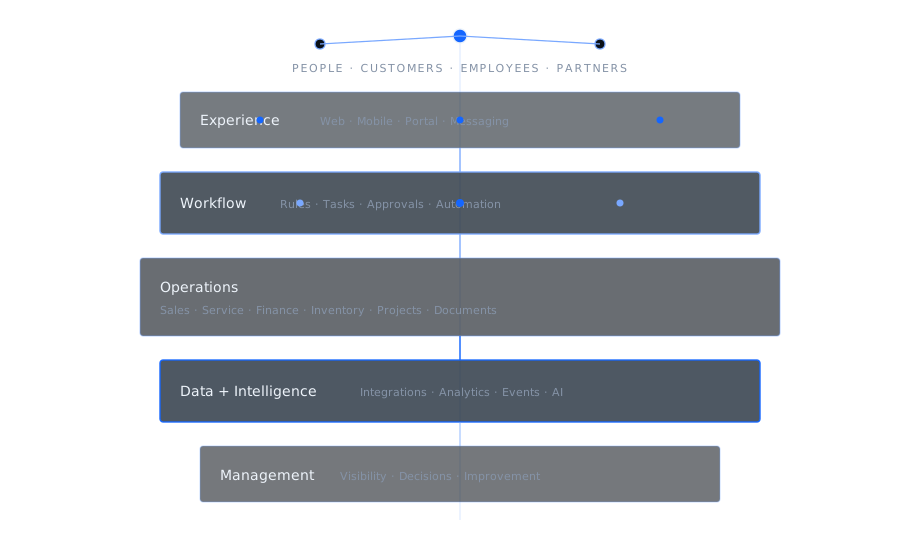
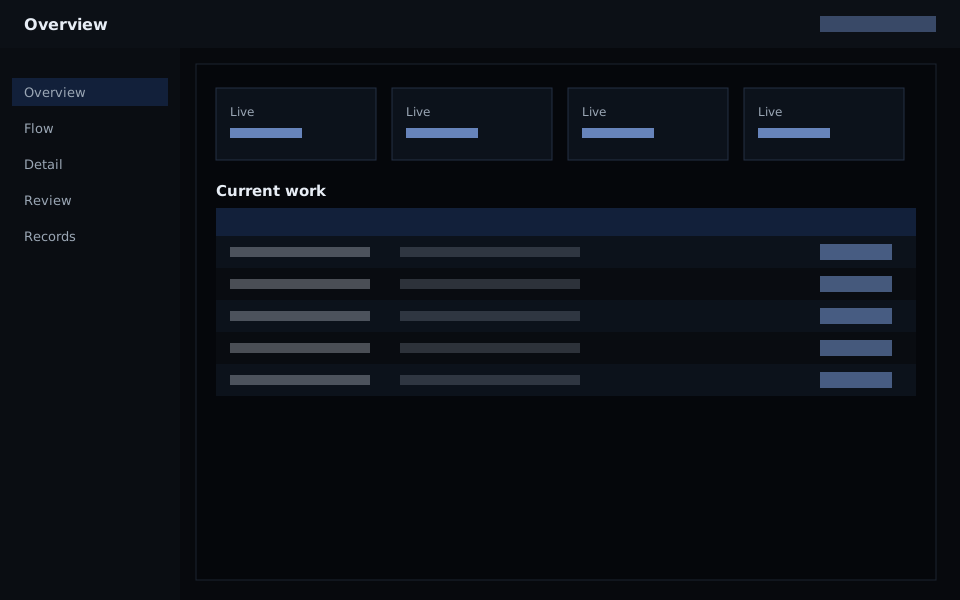 MVP to productionDomain boundaries, CI, staging and the surfaces a team needs after launch.
ERP SystemInventory, purchasing, finance hand-offs and fulfilment.
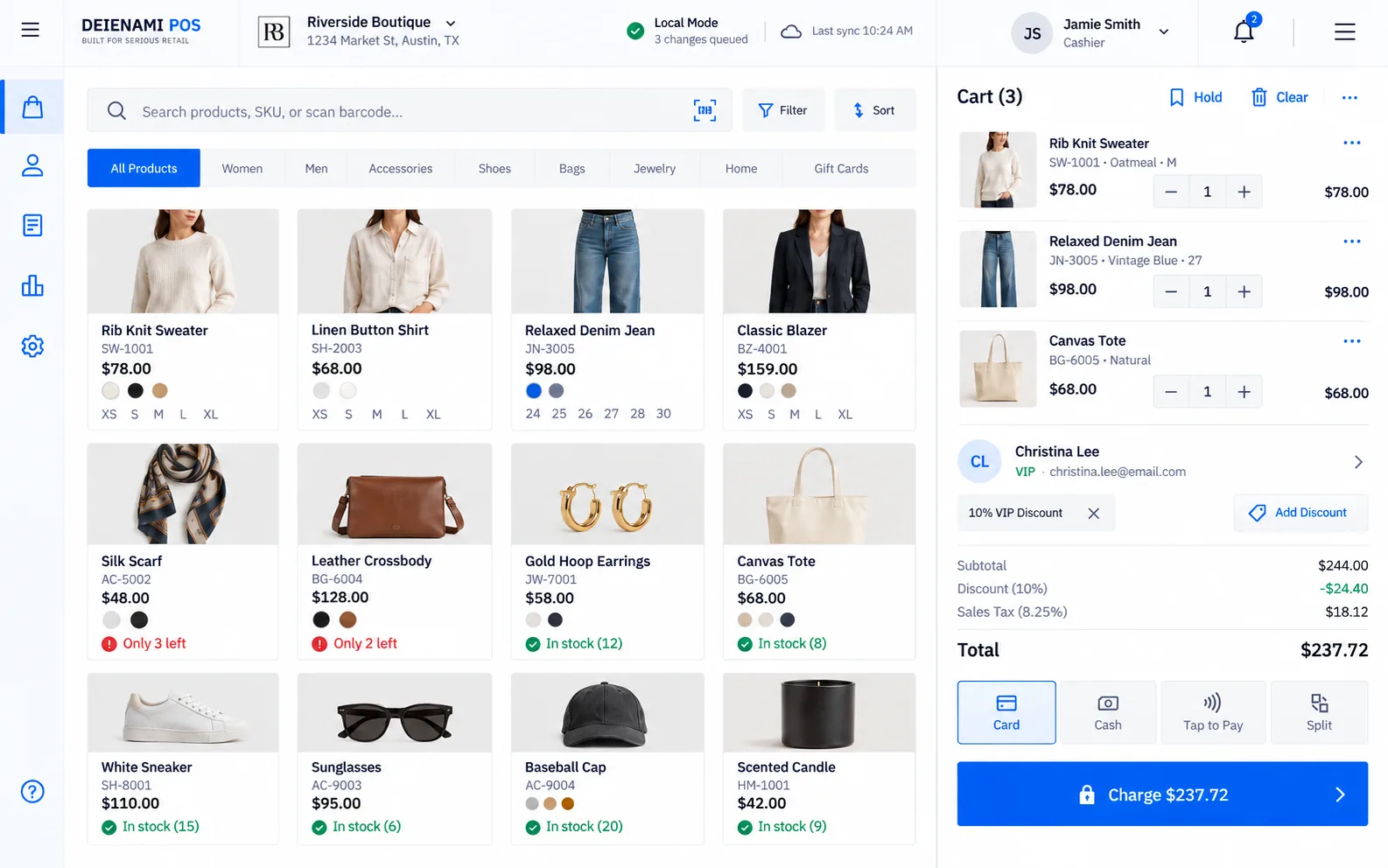
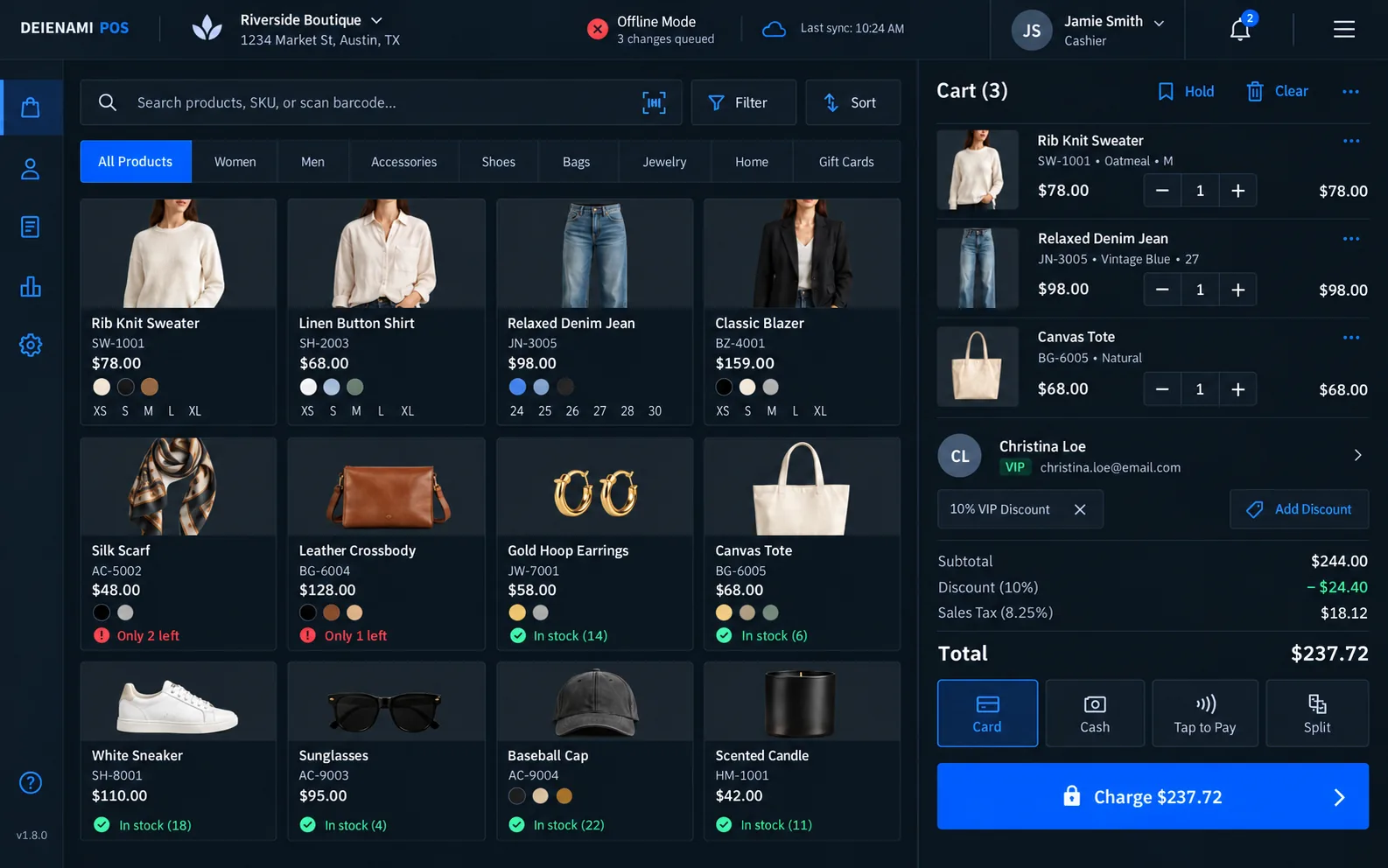
WingspanPOSCounter checkout, stock and reporting for retail.
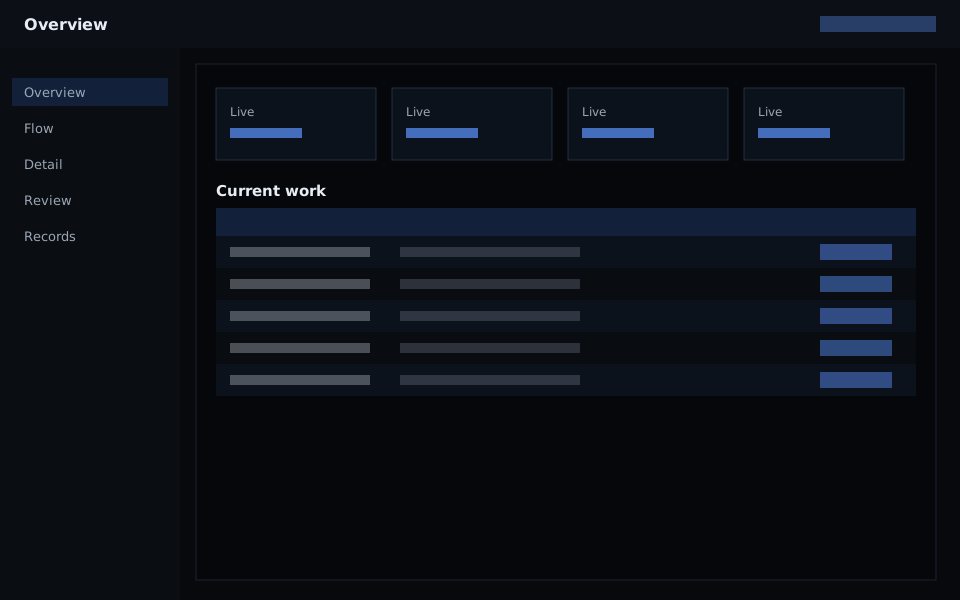 CommerceNestCatalogue, pricing, checkout and fulfilment in one core.
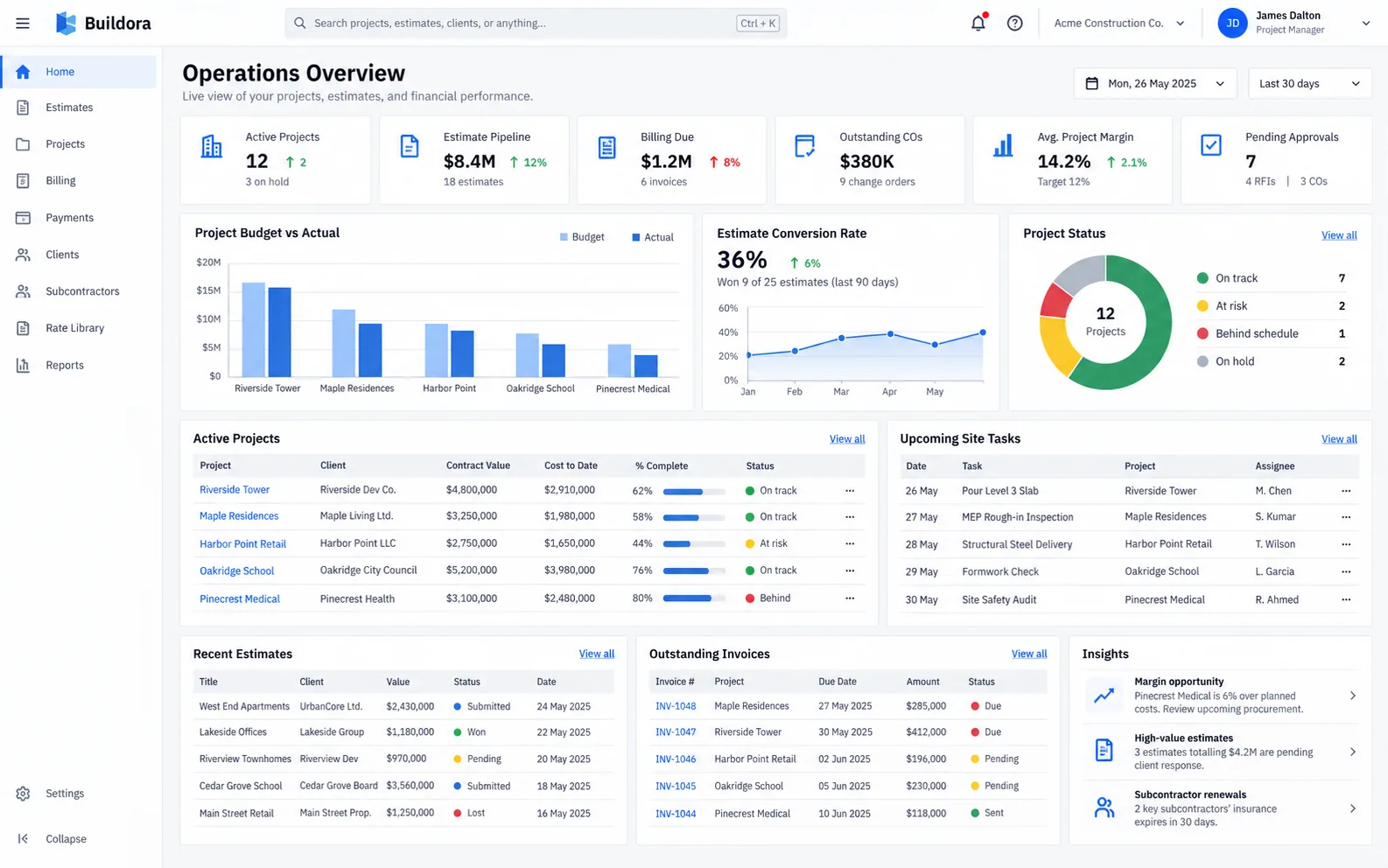 BuildoraJobs, crews, materials and progress for field teams.
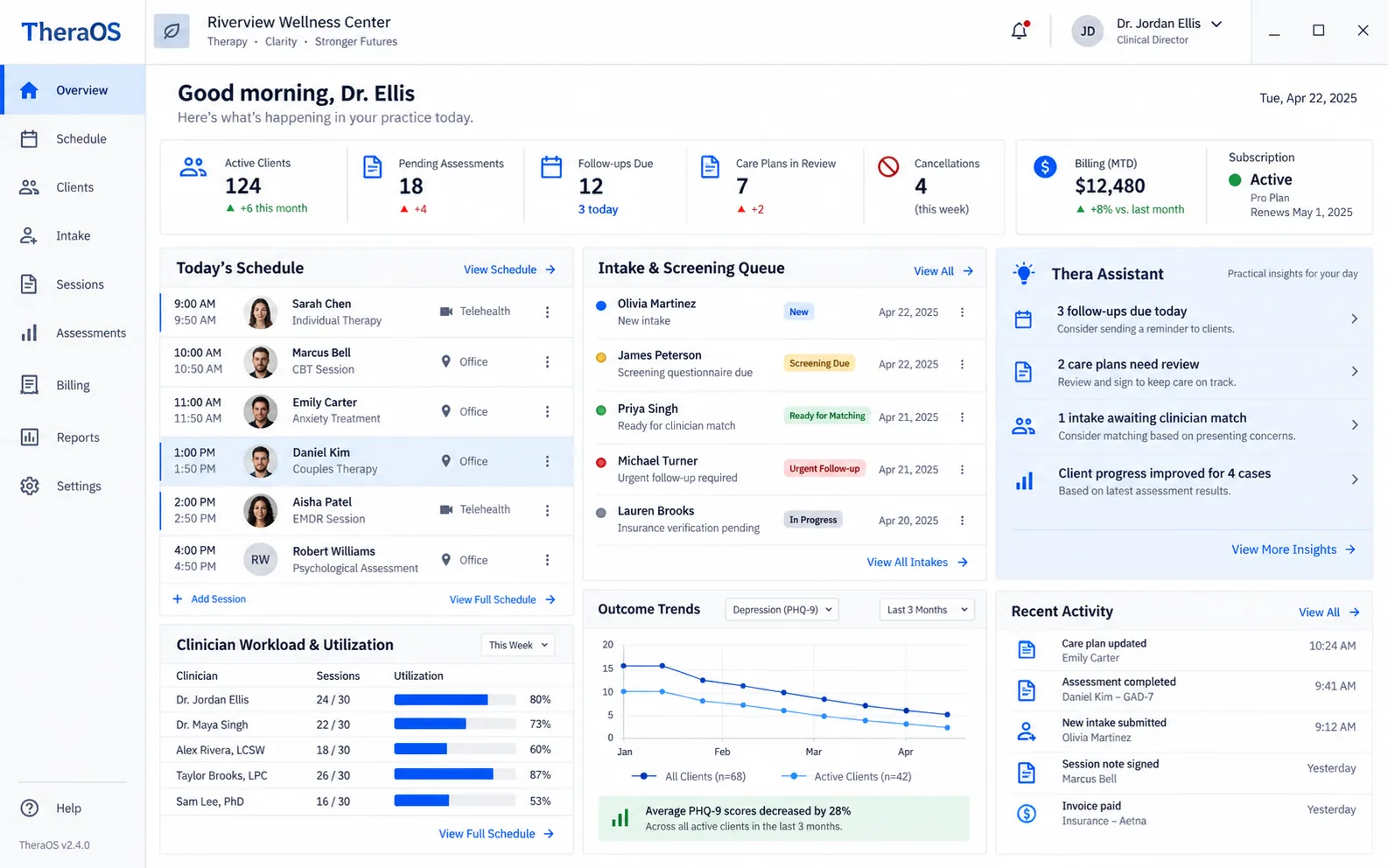 TheraOSPatients, schedule, clinical record and billing for a therapy practice.
Each stage has a first slice. Choosing one fills the brief below if you have not written it yet.
Idea
Learn before a big build. The first slice is the smallest release that proves demand.
MVP
Demand is proved. The codebase and the operating model are not ready for paying customers.
Live
Releases take longer. Integrations are fragile. We start with the biggest drag.
Scale
The architecture was not meant to last. We evolve it while you keep shipping.
Practical reads on shipping and running products. Free value before you decide to talk.
Blog
Demand is proved. Now the codebase, release path and ownership need to catch up.
Read the blog
Blog
Evolve one module at a time so the roadmap does not freeze while the stack grows up.
Read the blog
Blog
The moment an idea needs accounts, workflows and a real product, not another tab.
Read the blog
Blog
Keep operators in the loop while the product takes work off their plate.
Read the blogEach route can work. These are the differences that decide whether a product ships and lasts.
Hiring takes time before work starts.
Depends on who you hire.
Yours.
Yours, if people stay.
Salaries, plus hiring risk.
Fast to start, depends on one person.
Often uneven.
Unclear unless contracted.
Availability can disappear.
Cheap until rework appears.
Process-heavy before building.
Strong, usually at higher cost.
Contract-heavy.
Retainers can be costly.
Change fees add up.
A focused team and a usable first slice early.
Tests, CI and staging built in.
Ownership agreed in writing up front.
Releases and hosting under a plan.
Phased scope, cost seen against value.
You keep the client relationship and the brand. We bring the product team behind the curtain, so you look stronger without growing a delivery floor overnight.
Your brand in front
We design, engineer and ship under your name. Clients see your agency; we stay invisible unless you want us visible.
Capacity without hiring risk
Senior engineers join your tools, standups and reviews. You keep direction; we remove the wait for a new hire to ramp.
Trust, written first
Introduce a client who needs product engineering. We agree terms in writing before anyone starts, so the relationship stays clean.
Tell us which model fits. We reply with how we would protect your brand and your client.
The contract still sets the exact terms.
We turn product ideas into live software: design, architecture, build, deploy and maintain. You can buy a dedicated team with a PM, hire a person through us, cover infra and licences, ship in milestones, or, when the brief is well defined, agree a fixed scope.
Only when requirements and acceptance criteria are clear enough to quote without guessing. If the idea is still forming, we recommend discovery or phase-wise releases so neither side is trapped by a vague fixed price.
Yes. Dedicated engagements can include a PM, engineering and the people who manage releases, infra and licences for the product.
Yes. After you send a brief, create a DEIENAMI account (or sign in) to follow the request, milestones and status in the client workspace.
You do, as agreed in writing before work starts, along with how the product is deployed and handed over.
It depends on the engagement. We start with a short discovery, then propose a team, hire, milestone or fixed-scope plan so you can see cost against value before committing.
Yes. Maintenance, monitoring, releases and licence care sit under a written plan, alone or with the build team.
Start a conversation
We reply with a fit, how we would engage, and the first slice that moves the idea toward a live product. Your brief lands in our CRM, and you can follow it in the client panel.
Send the brief here, then sign in to the client workspace to see status, replies and next steps in one place.
We will reply by email. To follow status, milestones and replies in one place, open the client workspace.